
What Is That White Strand in Your Egg? Safety, Facts, and Culinary Truths
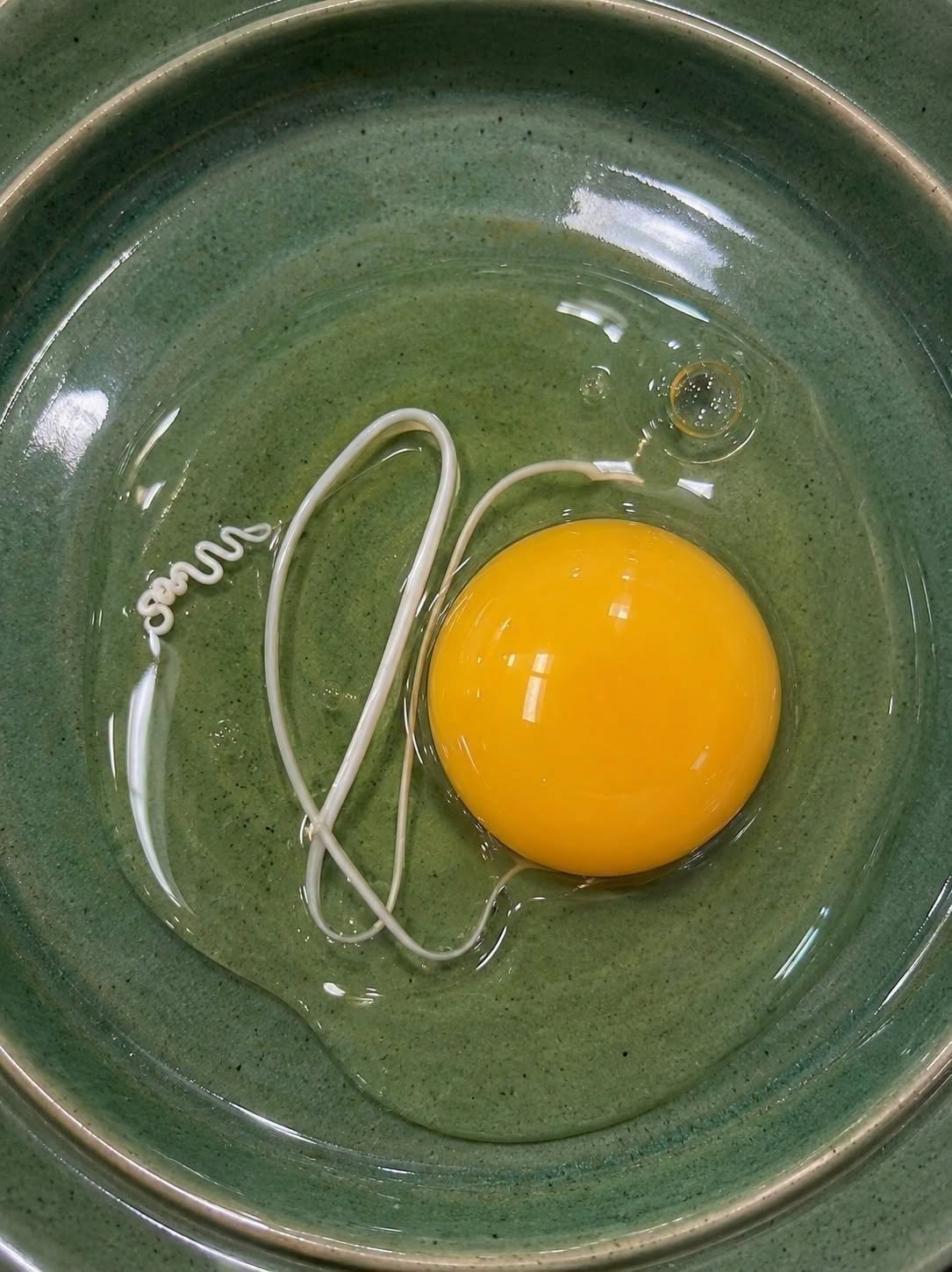
Cracking a fresh egg into a bowl or frying pan is a daily cooking routine for millions of households. However, every now and then, home cooks encounter a distinct, thick white string or squiggly strand suspended within the clear egg white next to the yolk. While many people mistakenly assume this white strand is a worm, a parasite, an embryo, or a sign of an unsafe or spoiled egg, it is actually a completely natural, essential component of fresh egg anatomy.
Understanding egg anatomy, food safety standards, and proper kitchen handling prevents unnecessary food waste and ensures you can enjoy nutritious meals with complete confidence. In this comprehensive food science, cooking, and health guide, we explore the exact biological purpose of that white strand (known as the chalaza), how to tell if an egg is fresh, essential egg handling safety tips, and the nutritional value of eggs in daily diets.
Understanding Egg Anatomy: What Is the White Strand?
The white, thread-like string floating inside a raw cracked egg is called the chalaza (plural: chalazae). Every natural bird egg contains two chalazae, located on opposite sides of the egg yolk.
Far from being a defect or impurity, the chalaza is a specialized structure made of twisted protein strands. Its primary biological function is to act as a physical anchor or suspension rope, holding the delicate egg yolk centered securely in the middle of the protective albumen (egg white). This prevents the yolk from bumping against the inner shell walls during transport or movement.
Key Facts About the Chalaza
A Marker of Freshness: A prominent, thick, and highly visible white chalaza is actually a sign of an exceptionally fresh egg. As an egg ages in storage, the protein strands naturally weaken, stretch, and dissolve into the albumen.
Completely Edible: The chalaza is made of pure, edible protein (similar to the rest of the egg white). It is completely safe to cook and consume.
Does Not Affect Cooking Performance: In standard cooking methods like frying, scrambling, or baking, the chalaza cooks down completely and becomes unnoticeable.
Common Myths About White Egg Strands Debunked
Because the chalaza can look unusual or distinctly squiggly when an egg is cracked open, several persistent culinary myths have spread over the years.
Myth 1: The White Strand Is a Parasite or Worm
Fact: The chalaza is purely composed of natural egg white proteins woven together tightly. It is not an organism, parasite, or worm.
Myth 2: It Indicates a Fertilized Egg or Vein
Fact: The chalaza is present in all eggs, including unfertilized commercial eggs sold in supermarkets. It is not a blood vessel, umbilical cord, or developing chicken embryo.
Myth 3: You Must Remove It Before Cooking
Fact: There is no culinary or health reason to remove the chalaza. However, pastry chefs making delicate custard, soufflés, or smooth egg white meringues may strain raw eggs through a fine mesh sieve to achieve a perfectly uniform texture.
How to Test Egg Freshness and Spot Real Signs of Spoilage
While the white chalaza strand indicates fresh quality, knowing how to identify genuinely spoiled eggs is crucial for preventing foodborne illnesses such as Salmonella.
1. The Water Float Test
Place a whole, uncracked egg in a glass of cold water:
Fresh Egg: Sinks to the bottom and rests flat on its side.
Older Egg: Stands upright on the bottom (still safe to eat, best used for hard-boiling).
Spoiled Egg: Floats to the top of the water surface. As eggs age, air pockets inside the shell expand, causing bad eggs to float.
2. The Smell Test
Spoiled eggs produce a distinct, pungent sulfur odor. If an egg emits a sour or foul smell immediately upon cracking, discard it right away.
3. Visual Examination of the Yolk and White
Fresh: A round, plump yolk held up high, surrounded by thick albumen and a visible chalaza.
Spoiled: A runny, watery egg white, a flat or broken yolk, or discoloration such as pink, green, or iridescent spots (which signal bacterial growth).
Essential Egg Safety, Storage, and Culinary Rules
To maintain high food safety standards and protect your family from food-borne risks, follow these fundamental kitchen guidelines:
Storage Best Practices:
Keep Refrigerated: Store eggs in their original carton on an inside refrigerator shelf at 40°F (4°C) or colder, rather than in the door where temperature fluctuates.
Do Not Wash Eggs Before Storing: Commercial eggs are processed with a protective coating. Washing them at home removes this barrier and can push surface bacteria into porous shell pores.
Cook thoroughly: Cook eggs until both the white and yolk are firm to ensure any potential bacteria are destroyed.
The Nutritional Value of Eggs in Daily Diets
Eggs are widely considered one of nature’s most nutrient-dense superfoods. Incorporating whole eggs into a balanced diet provides exceptional health benefits:
High-Quality Muscle-Building Protein: A single large egg provides approximately 6 grams of complete protein containing all nine essential amino acids, making it an ideal choice for muscle recovery and fitness goals.
Essential Micronutrients: Rich in choline (vital for brain health and liver function), vitamin B12, vitamin A, and iron.
Eye Health Support: Loaded with antioxidants like lutein and zeaxanthin, which protect eye tissues from age-related macular degeneration.
Frequently Asked Questions (FAQ)
Can I eat raw eggs if the white strand is visible?
While the white strand itself is completely safe and edible, consuming raw or undercooked eggs carries a risk of Salmonella exposure. It is always safest to cook eggs thoroughly.
Why do some eggs have red or brown spots inside?
Small red or brown spots on a yolk are “blood spots” caused by the rupture of a tiny blood vessel in the hen’s ovary during egg formation. They are completely safe to eat and can be easily picked out with the tip of a knife if preferred.
Why is the egg white cloudy sometimes?
Cloudy egg white albumen is another strong indicator of fresh eggs. The cloudiness is caused by high concentrations of naturally occurring carbon dioxide when the egg is laid, which gradually dissipates as the egg ages.
